Every year, International Women's Day arrives with flowers, posts, and cute messages. Most of them feel warm and wholesome. Yet, a lot of them miss the point. If you've ever read a Women's Day forward and felt both seen and annoyed, you're not alone. The issue here isn't whether women are amazing (they are). It's whether women get a fair shot at life.
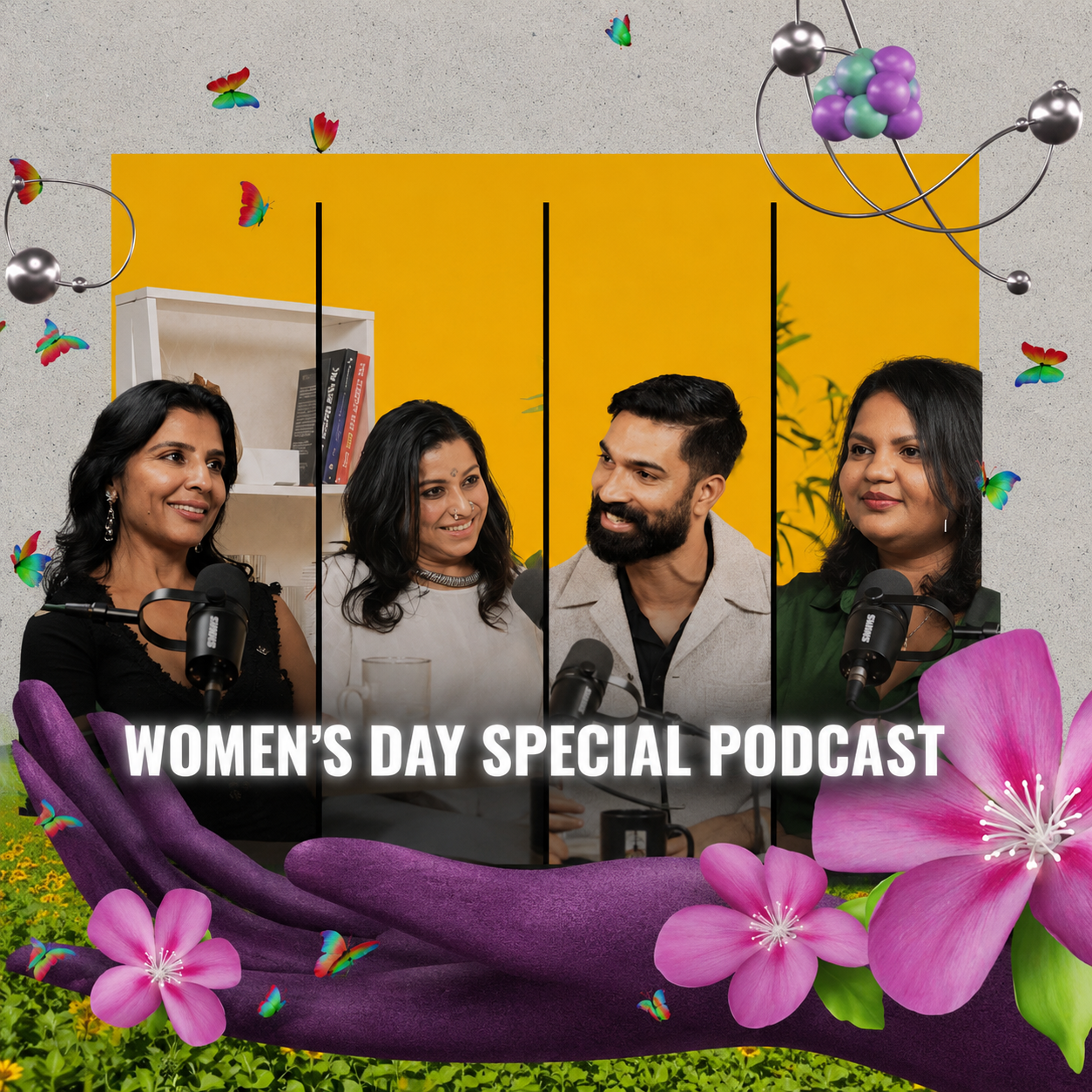
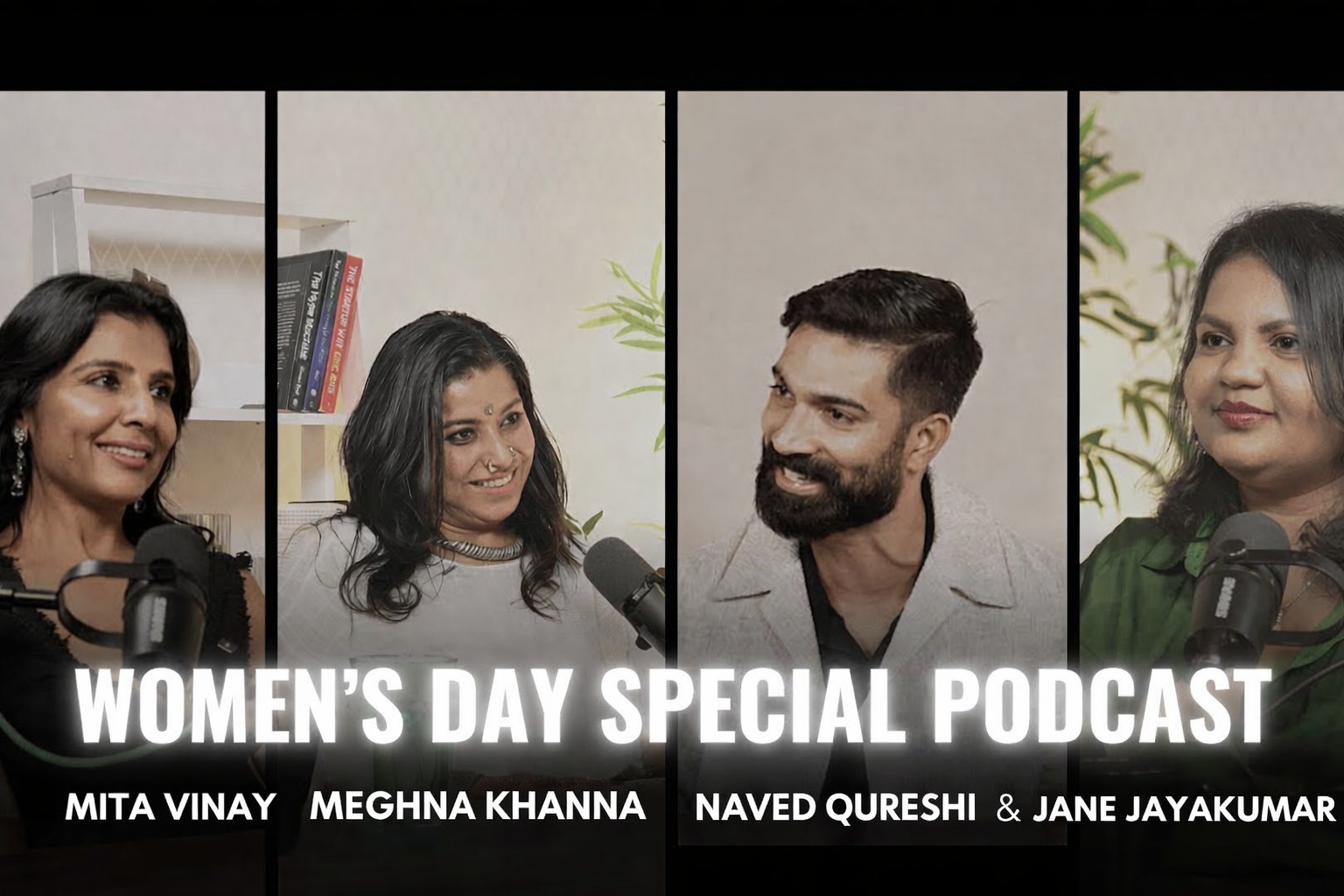
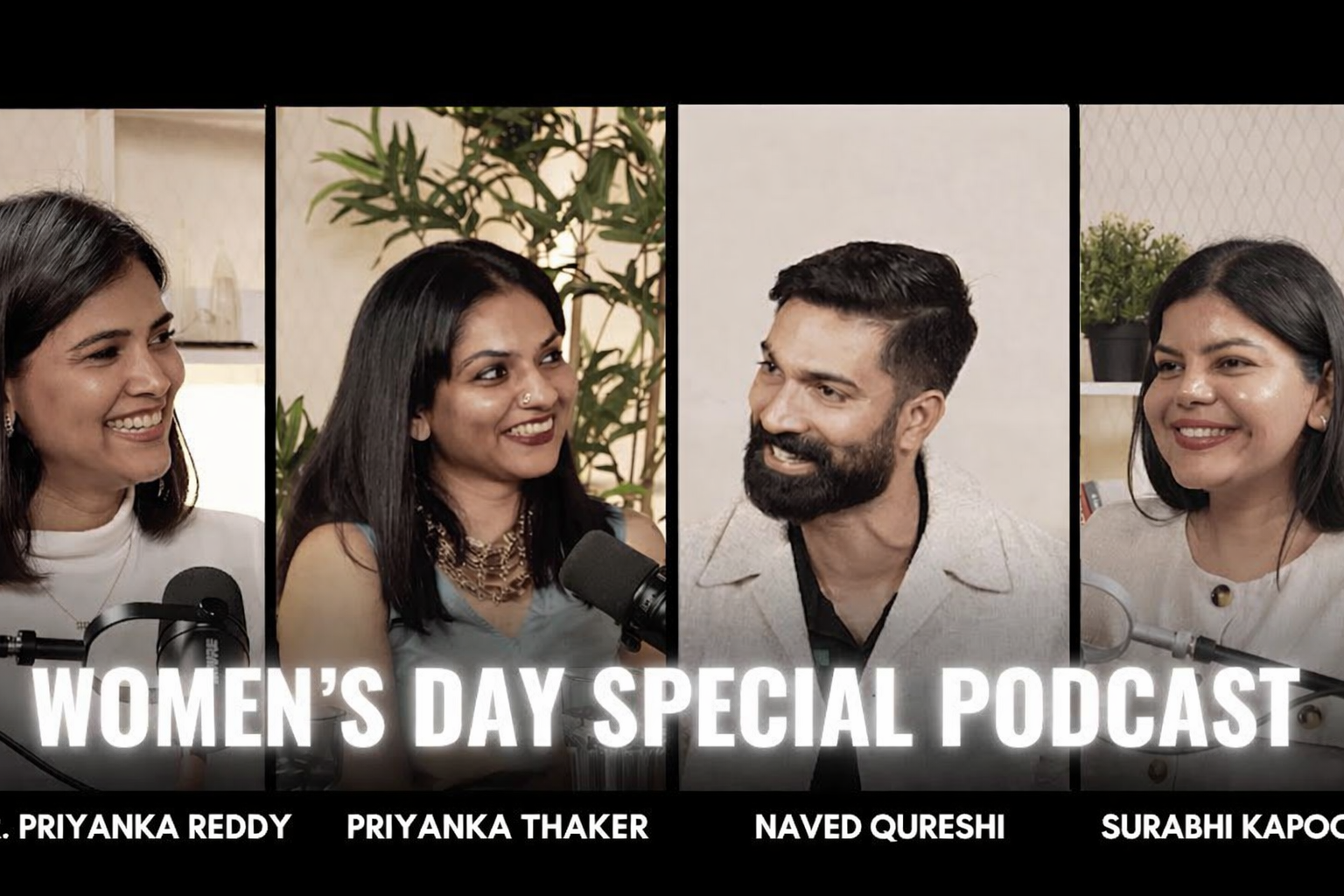
On The MajikHouse Podcast, hosted by Naved Qureshi, we asked eight powerful women one simple thing: What does Women’s Day really mean to you?
The conversations that followed were absolute reality checks and honest conversations about women’s empowerment.
Our conversations with several of these influential women has garnered attention on social media, taking the total to over 1 million organic views on Instagram, proving that the people are indeed listening and that these conversations matter.
1. The Women's Day Posts That Only Sound Nice
Over the years, a pattern shows up around International Women's Day. The same kind of social media posts and WhatsApp forwards make the rounds, and they usually follow a script: women are incredible because they're mothers, sisters, daughters, and now they work too.
As Sarah Edwards, founder of CopperandCloves, rightly points out, on the surface, it sounds like praise. In reality, it often turns into some sort of expectation that women should do everything, all at once, and do it with a smile.
The messages celebrating women as caregivers, workers, and superhuman beings because they can “manage it all” just feel too much. Because when "you can do it all" becomes the headline, the real question disappears: Why are women still the ones expected to do it all in the first place? Praise and admiration are easy. Addressing gender equality is harder.
Women's Day can still matter, but only if it points us toward action. The real goal, according to her, is an equitable playing field. Not just applause, but access. She further spoke about the deep-rooted imbalance and childcare, still disproportionately falling on women, families conditioning daughters differently, and workplace entry points shaped by invisible bias, all of which cannot be solved by simple hashtags.
2. "Is It Still a Man's World?" An Honest Answer From The Finance Space
The honest reply to the question above is a simple one: YES. This is exactly whatSoumya Kushwaha, founder of Tap HQ, told us on the occasion of International Women’s Day.
It shows up in most places, and it shows up sharply in finance and tech. Even today, many core roles in these fields are dominated by men, according to her, and even when women lead, their teams often remain male-dominated in critical positions. It’s a lived reality for many women in finance and tech. But here’s the difference: She didn’t stop at acknowledging the imbalance, and she took the plunge anyway.
In a space where fixed income investing isn’t mainstream and female leadership is rare, Soumya is building while intentionally including more women, even when it’s hard. Maybe that's the most realistic way to talk about Women's Day. Not as a finish line, but as a checkpoint.
3. A Personal Story That Puts Everything In Perspective
Her story starts across countries and cultures. Jane was born in Nigeria, was raised in the Gulf, then came to India, and chose to stay even while family lived abroad. The reason wasn't a neat career plan. It was her love for the Indian subcontinent and its culture.
She comes from a fishing community where formal education wasn’t generational. Her father left his hometown and decided to become a teacher against all odds.
This caused a major positive shift, as the family now has a son who is a lawyer in Dubai, and a daughter who can look out for herself in a big city, and actually cherishes International Women’s Day, according to Jane. That kind of jump doesn't happen by accident, she mentions. Jane rightly mentions that, “You can come from nowhere and nothing, at any point in your life, and still make a difference”.
4. An Inconvenient Woman: The Desire to Stay Unapologetic
In her words, this is a woman who wants what she wants, who doesn’t soften her ambition, and who refuses to nurture everyone else before herself. Meghna’s travelrani account, where she champions the way as a woman’s bike coach and travel enthusiast, led to another conversation, where she opened up about fighting as a teenager, within family and cultural structures, for the right to choose her own path.
She rightly mentioned that when you refuse to conform, when you say no, and when you stop asking for permission, is precisely when you become inconvenient. And that is exactly where change begins.
5. Who Gets Access, Who Gets Permission?
Among many of the conversations this international women’s day, there was an invisible thread that ran through, it was this: access changes everything.
Surabhi Kapoor, who runs her own PR agency and leads women-focused communities, spoke about something many don’t see from the outside. The difference often begins begins with access to things like knowledge, to networking rooms, to funding conversations, and mentorship.
She very importantly pointed out how female founders are frequently asked questions about marriage, children and stabilitythat their male counterparts never have to answer. Add to that the very real guilt and hesitancy many women carry, especially mothers, when building something of their own. The ecosystem might call itself supportive, but conditioning runs deep. That’s why she believes empowerment cannot just be motivational; it has to be infrastructure with platforms and communities.
In contrast, she grew up in a family that was, by most standards, supportive. Education was equal. Opportunities were equal. But freedom was not identical. Her brother could come home at any time. She could not step out as easily. The word “no” was never explicitly enforced, yet the boundaries were quietly drawn.
So she became, in her own words, a rebel. Not for drama or attention, but simply because she decided to take a different path. “You are not asking for permission. You have equal rights,” she reminds us.
6. Balance, Beauty, and The Right To Choose
If some conversations focused on access and opportunity, others gently challenged the way we define identity itself.
Mita Vinay, founder of bodhsara, brought the discussion back to something older than modern labels, which is: energy. Feminine and masculine energies, she explained, are not confined to gender. Historically, our stories have always reflected fluidity. Arjuna was a dancer. Men were taught stitching. Sons can bake. She strongly points out that strength and softness have never been mutually exclusive.
The imbalance we see today is not because women stepped into “masculine” spaces. It is because society assigned rigid roles and forgot that both energies exist in everyone.
And that rigidity shows up sharply in other forms too. Namely, appearance.
In a conversation garnering a viewer count of over 400k, Dr. Priyanka Reddy spoke candidly about the pressure women face when it comes to looking a certain way. Yes, awareness among men is increasing. Yes, the ratios are shifting slowly. But women still carry the heavier expectation.
When patients come to her for treatments, Priyanka mentions that her first question isn’t about the procedure. It’s always about intention. Why do you want this? If it is for yourself because you looked in the mirror and chose it, that’s empowerment. If it is to satisfy someone else’s voice, the result will never truly satisfy you.
In an industry that profits from insecurity, she chose to build her own practice so her freedom and ethics would remain intact.
Conclusion
What Should Women's Day Really Point Us Toward?
International Women's Day can be meaningful, but only if it pushes us toward the work that lasts longer than a post. Celebration feels good, yet the biggest gaps often sit at home, in childcare, in expectations, and in who gets supported when decisions get tough. If one person's choice toward education can shift a whole family's future, then bigger systems can shift too. So the next time Women's Day comes around, ask what would make the playing field fair, then start there.
At TheMajikHouse, storytelling isn’t about surface narratives but amplifying the deserving ones. This Women’s Day, we don’t just aim to celebrate women as superheroes.
It aims to ask better questions.
Because that’s where real stories live.
Follow Us for Updates
Stay connected with us on Instagram for industry insights and tips from podcasting experts. Join our community of podcasters and creators as we redefine podcasting excellence together.